Treatment Type
Pressure-related hyperkeratosis care with clinic paring when suitable
Dermatosurgery
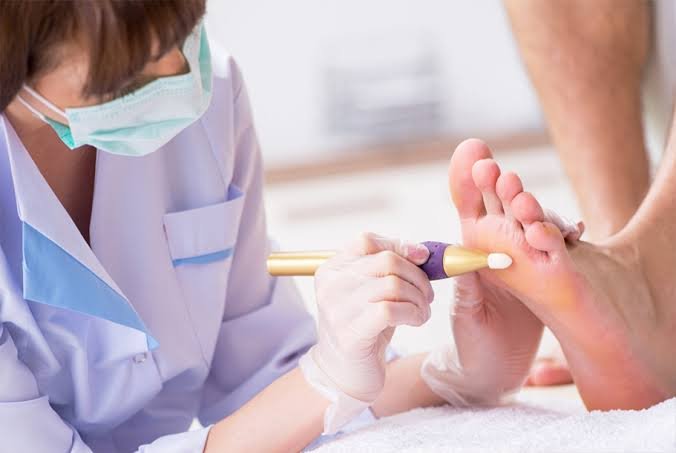
A corn is a focused plug of thick skin that forms where pressure or friction repeats, often on toes or the sole. It can feel like a stone in the shoe. At Prohealth Care Clinic in Chakan, Pune, care typically includes confirming it is not a wart, reducing the thick skin in clinic when appropriate, and talking about why it formed so it is less likely to rebuild immediately.
Treatment Type
Pressure-related hyperkeratosis care with clinic paring when suitable
Consultation
Foot exam, footwear history, and wart-versus-corn distinction
Treatment Area
Toes, sole, or other friction points identified on exam
Individual Assessment
Diabetes, sensation, and deformity influence how aggressively skin is reduced
Corns (helomas) have a central core that points into the dermis, which is why they hurt more than a broad callus. They often sit over a hammer toe, a bunched toe in a narrow shoe, or a bony prominence on the ball of the foot. Corn Removal Treatment in Pune is therefore both a skin procedure and a mechanics conversation. Shaving the surface without asking about shoes is why the same spot returns in weeks.
Plantar warts can look similar. Warts interrupt skin lines and may show black dots; corns usually preserve the skin-line pattern around a hard core. Getting this wrong leads to freezing a corn or pairing a wart as if it were only pressure. The exam matters.
In clinic, careful reduction of keratin can give quick mechanical relief. It is not ‘surgery’ in the sense of cutting out a seed that never comes back. The corn is your skin’s response to load. Padding, toe spacers, or a footwear change may be suggested. People with diabetes, numbness, or poor pulses need a more conservative approach because a small wound can become a large problem.
Home blades and medicated corn plasters can eat healthy skin around the plug, especially between toes. Those products are a common reason patients present with chemical burns. The clinic can explain safer home care without turning the visit into a hardware tutorial. Safety shoes with a narrow toe box, wet socks in the monsoon, and overtime standing on concrete are typical local drivers. Bring the actual boot if you can; a photograph of the insole wear pattern can show where load sits. Orthotic or footwear referral is how the skin is given a chance to stay thin.
These points are educational. They are not a diagnosis. Suitability is decided after consultation.
Focal pain on a toe knuckle in closed shoes is a classic corn story.
A hard island on the ball of the foot that hurts on standing may be a plantar corn or callus.
Do not self-cut. A clinic exam is safer when sensation or circulation may be reduced.
Acid pads that burned surrounding skin need professional review and a different plan.
Select a step. The sequence is typical; your visit may differ after assessment.
You describe which shoe and activity start the pain, and what you have already applied or cut.
Points below describe the nature of care. They are not a promise of a particular result.
Reducing the plug can lessen the stone-like feeling when it is safe to do so.
Warts and corns part ways, so you stop treating the wrong thing.
Shoes, socks, and toe position are part of care, not an afterthought.
Clinic instruments and lighting beat a razor on a bathroom floor, especially with diabetes.
Chemical injury from acid pads can be assessed and soothed appropriately.
Bring the shoes that hurt. Do not soak to maceration or cut the corn the same morning if it will bleed. Mention diabetes and swelling of the legs.
Numb feet need extra caution; aggressive paring can go too deep without you feeling it.
Cool, pale, or poorly healing feet change whether any wound is acceptable.
Hammer toes and bunions keep recreating corns until mechanics are addressed.
Soggy web spaces are a poor setting for acids or tight pads.
Paring can help quickly, yet the corn often tries to reform if the same shoe pressure continues.
The number of sessions varies depending on individual factors and the treatment plan. Some people need periodic reduction; others improve with footwear change alone.
There is no buried ‘root’ that can be pulled out once and for all in typical corns. Anyone promising that is simplifying the biology.
General educational guidance only. Follow the instructions given at your consultation.
Safety shoes, heels, and slippers all tell a different pressure story.
Emollient on thick soles may be suggested; not between wet toes unless told.
Visits start with listening and examination so options match your concern, not a preset package.
Plans are discussed after assessment. What is suitable for one person may not be suitable for another.
Hair, skin, aesthetic, laser, nail and diagnostic options are available in one clinic setting.
Care is provided at Prohealth Care Clinic in Chakan, Pune, with follow-up as part of ongoing support.
Available options, typical process and expected care are explained before you decide how to proceed.
Corn Removal Treatment in Pune is a practical search for people whose work shoes never rest. A Skin Specialist in Pune at Prohealth Care Clinic in Chakan can tell a corn from a wart and reduce the plug when it is safe. A Skin Clinic in Pune that also talks about safety footwear is thinking about why the corn exists.
A Dermatologist in Pune is the right person if diabetes is in the picture or if acid plasters have burned the toe. Local care beats bathroom surgery after a night shift.
Choose a Skin Clinic in Pune that will not claim to extract a mythical root. A Skin Specialist in Pune should combine skilful paring with honest mechanics. Toe boxes, monsoon socks, and overtime on concrete are part of that honesty if you want the plug to stay thinner after you leave.
It is care for a pressure-centred plug of thick skin, often including careful paring and advice on footwear or padding, after confirming the lesion is a corn.
People with a painful hard spot on a toe or sole, especially in tight or occupational shoes, may consider a visit. Diabetes makes self-cutting unwise.
Keratin is reduced in clinic when appropriate, and the mechanical cause is addressed so the plug is less driven to reform.
Corn assessment and treatment are available at Prohealth Care Clinic in Chakan, Pune.
Treatment cost depends on individual requirements and treatment planning. Contact the clinic for consultation and current pricing.
FAQs
Yes, to confirm it is not a wart and to check diabetes and circulation before any paring.
Speak with Prohealth Care Clinic about corn removal treatment and other skin, hair or aesthetic concerns. A consultation is the starting point for any plan.
Adityavardhan Heights, Shikrapur Road, Chakan, Pune 410501
Appointments
Request a visit and we will open WhatsApp with your details so the clinic can confirm a slot. Prior appointments are recommended; walk-ins depend on availability.
Clinic
Adityavardhan Heights, Shikrapur Road, Chakan, Pune 410501
Monday to Saturday, 10:00 AM to 8:00 PM
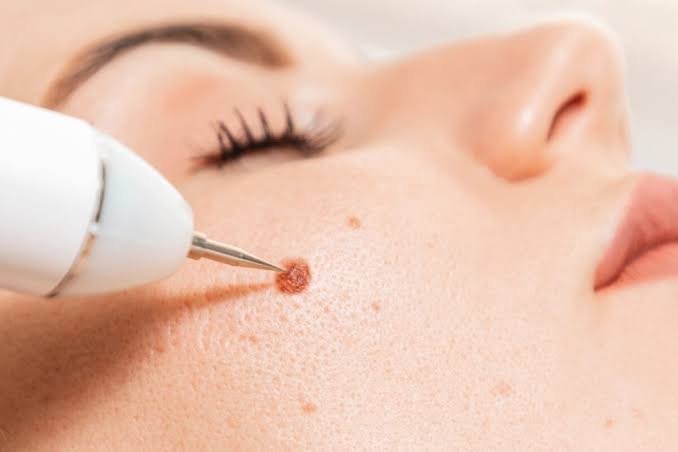
Clinic assessment and selected removal or medical methods for viral warts, with counselling on recurrence.
Learn More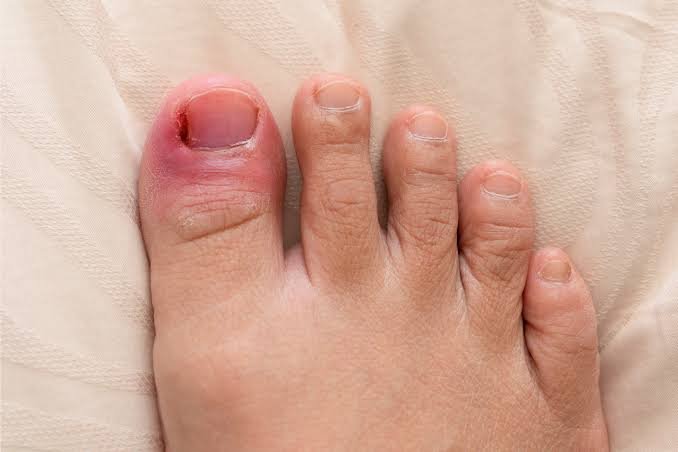
Medical care for painful ingrown toenails, from conservative measures to selected nail surgery after assessment.
Learn More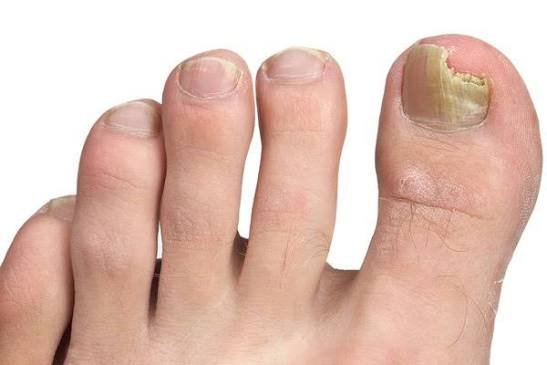
Diagnosis-led care for suspected fungal nails, using confirmation when needed and medicines or device talk without guaranteed clearance.
Learn More
Clinical mole evaluation with optional removal and laboratory testing when the lesion or the patient needs it.
Learn More