
Treatment Type
Medical evaluation of hair growth with optional reduction planning
Hair Treatment
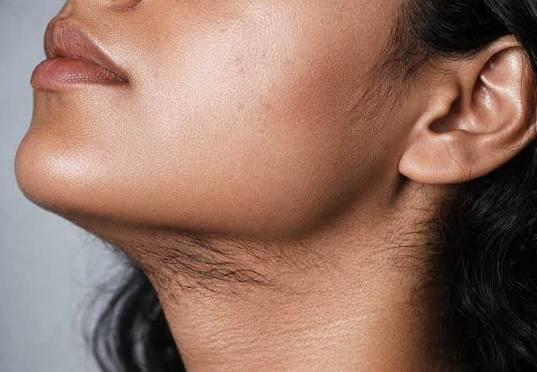
New or thicker hair on the face, chest, or abdomen can be a cosmetic concern and, at times, a medical clue. Excess Hair Growth Treatment in Pune at Prohealth Care Clinic starts by asking where the hair is, how quickly it changed, and whether cycles, weight, or medicines shifted at the same time. Hair-reduction methods are discussed only after that context is clear.
Treatment Type
Medical evaluation of hair growth with optional reduction planning
Consultation
Mapping of sites, timeline, medicines, and hormonal symptoms when relevant
Treatment Area
Face, neck, chest, abdomen, or other sites the patient identifies
Individual Assessment
Separates familial hair from sudden change that may need medical work-up
Hair thickness and distribution vary by family, ancestry, and hormones. What feels ‘excess’ is personal, yet a sudden increase, male-pattern hair on a woman, or hair with irregular periods deserves more than a cosmetic menu. Excess Hair Growth Treatment in Pune therefore includes a history: puberty, pregnancy, menopause, weight change, and drugs such as steroids, minoxidil, or certain supplements.
Hirsutism refers to a male-pattern distribution in women and may relate to androgen excess. Hypertrichosis is more generalised and can be genetic, drug-related, or associated with other conditions. Distinguishing them guides whether blood tests or gynaecology input may be suggested. The clinic does not replace endocrine care when that is needed; it can start the right conversation.
Hair-reduction options that may be discussed later include medical therapies in selected cases and energy-based reduction such as laser when the hair and skin combination is suitable. Shaving, threading, and waxing remain valid and are not framed as failures. Each method has different irritation and ingrown-hair risks, which are explained rather than mocked.
A respectful visit also covers the emotional load of facial hair at work and in relationships. Photographs, if taken, are for clinical comparison with consent. No method erases every follicle permanently in every person, and that limit is stated before you spend time or money on a plan. Women and men both attend for hair they consider too much; the medical questions differ. For women, a respectful cycle and medicine history is more useful than a fairness narrative. For men, beard or back density that changed after steroids or supplements deserves the same curiosity. You can decline any image and still receive an exam of the sites you are willing to show.
These points are educational. They are not a diagnosis. Suitability is decided after consultation.
Hair on the chin or upper lip that thickened over months, especially with cycle change, may warrant assessment.
People who started steroids, certain immunosuppressants, or hair-growth products may notice extra hair that needs context.
Those with bumps after waxing or threading may want a plan that reduces trauma while addressing density.
Even when hair is familial, counselling on safe reduction methods can still be useful.
Select a step. The sequence is typical; your visit may differ after assessment.
Sites, speed of change, menstrual or metabolic clues, and current hair-removal habits are discussed privately.
Points below describe the nature of care. They are not a promise of a particular result.
Sudden change is not dismissed as vanity; medicines and hormones are considered.
Threading, waxing, medical therapy, and laser are compared on irritation and suitability, not slogans.
Hair reduction on darker skin needs extra caution; that is discussed before energy-based options.
Technique and aftercare can reduce bumps even when you continue a home method.
Facial and body hair concerns are handled as medical visits, not salon chatter.
Write the month you first noticed change and list hormones, steroids, and supplements. Avoid a fresh wax on the exam area if the clinician asked to see the hair. Wear clothing that lets relevant sites be examined with dignity.
Fine vellus hair and white hair respond differently to light-based reduction than dark terminal hair.
Pigment in the skin affects laser safety discussions. That is assessed, not assumed from a form tick.
PCOS-type symptoms, menopause, and medicines can make purely cosmetic plans incomplete.
Active folliculitis or open sores typically need settling before aggressive epilation.
Hair reduction, when offered, is usually stepwise. Density and thickness may lessen without disappearing. Hormonal drivers can keep stimulating follicles.
The number of sessions varies depending on individual factors and the treatment plan. Home methods have their own rhythm; clinic methods are timed after review.
If labs or another specialty are suggested, completing that path can matter more than rushing a cosmetic procedure.
General educational guidance only. Follow the instructions given at your consultation.
Topical minoxidil, steroids, and ‘hair growth’ oils belong on the list as much as tablets.
After clinic or home epilation, picking bumps can scar. Use only products named in the plan.
Visits start with listening and examination so options match your concern, not a preset package.
Plans are discussed after assessment. What is suitable for one person may not be suitable for another.
Hair, skin, aesthetic, laser, nail and diagnostic options are available in one clinic setting.
Care is provided at Prohealth Care Clinic in Chakan, Pune, with follow-up as part of ongoing support.
Available options, typical process and expected care are explained before you decide how to proceed.
Searching Excess Hair Growth Treatment in Pune often means you want a medical opinion, not only a salon booking. A Skin Specialist in Pune at Prohealth Care Clinic in Chakan can examine distribution and history. A Skin Clinic in Pune that asks about medicines and cycles is doing the job properly, which is more useful than a walk-in wax menu dressed up as medicine.
A Dermatologist in Pune may also discuss laser later if hair colour and skin type fit, or may suggest that endocrine review come first. Patients around Chakan appreciate being able to have that first conversation locally instead of collecting conflicting advice from multiple parlours. You can bring a relative for support or ask them to wait outside during the exam.
When comparing centres, ask whether someone looks for drug-induced hair and whether skin-of-colour safety is discussed. A Skin Specialist in Pune should be comfortable saying ‘not yet’ if inflammation or labs are pending. That is good care at a Skin Clinic in Pune, and it is incompatible with promising permanent clearance of every facial hair.
It is evaluation of increased or unwanted hair, including possible medical causes, followed by discussion of reduction methods that may suit the hair, skin, and diagnosis.
People with new facial or body hair, hair after certain medicines, or distress from familial density may consider a visit. Sudden change with other symptoms needs medical context.
History and exam guide whether tests or referrals are needed. Reduction methods are chosen only when they are medically and technically appropriate.
Consultation is available at Prohealth Care Clinic in Chakan, Pune. Procedures, if any, follow that assessment.
Treatment cost depends on individual requirements and treatment planning. Contact the clinic for consultation and current pricing.
FAQs
Yes, especially if hair increased suddenly, with cycle change, or after new medicines. Suitability for energy-based methods also needs an exam.
Speak with Prohealth Care Clinic about excess hair growth treatment and other skin, hair or aesthetic concerns. A consultation is the starting point for any plan.
Adityavardhan Heights, Shikrapur Road, Chakan, Pune 410501
Appointments
Request a visit and we will open WhatsApp with your details so the clinic can confirm a slot. Prior appointments are recommended; walk-ins depend on availability.
Clinic
Adityavardhan Heights, Shikrapur Road, Chakan, Pune 410501
Monday to Saturday, 10:00 AM to 8:00 PM
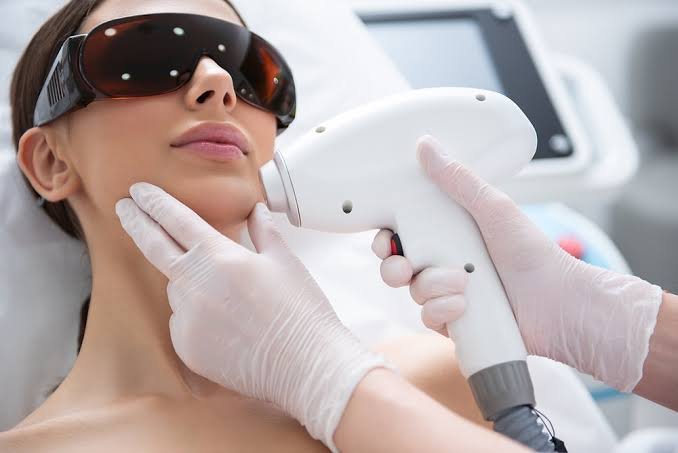
Clinic laser hair reduction for selected hair colours and skin types, planned after safety assessment.
Learn More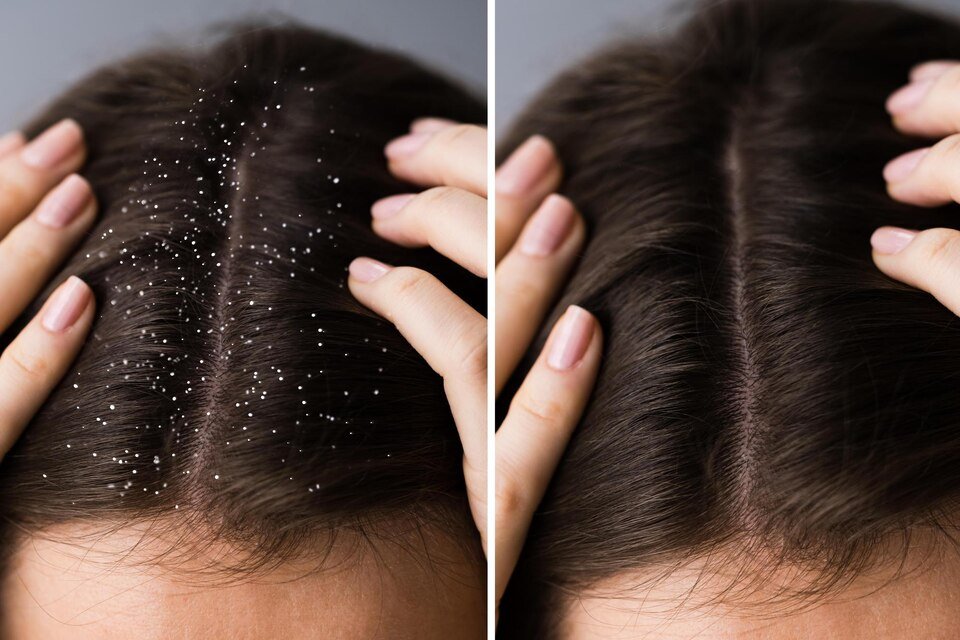
Assessment-led care for scalp flaking and related itch, with products and routines chosen after examination.
Learn More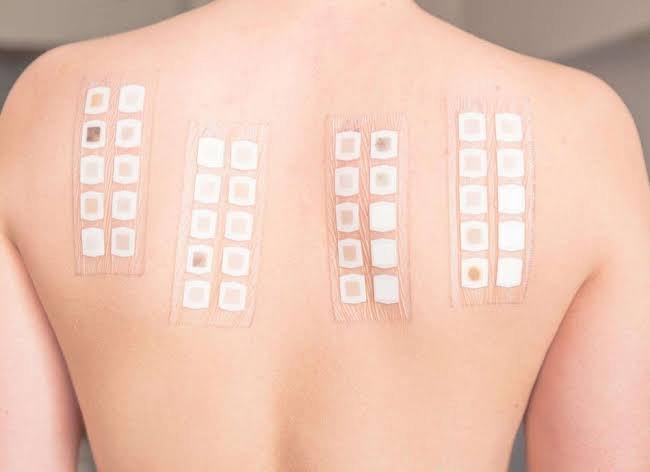
Clinic patch testing for suspected contact allergy, with readings over scheduled visits and counselling on results.
Learn More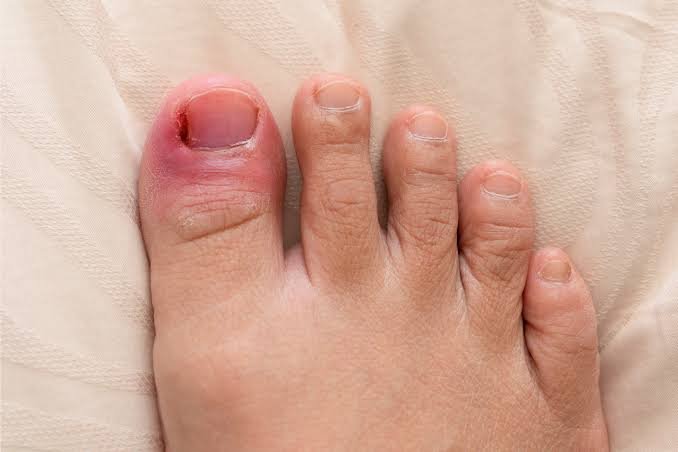
Medical care for painful ingrown toenails, from conservative measures to selected nail surgery after assessment.
Learn More