
Treatment Type
Medical hair-loss evaluation and clinic-based therapy planning
Hair Treatment
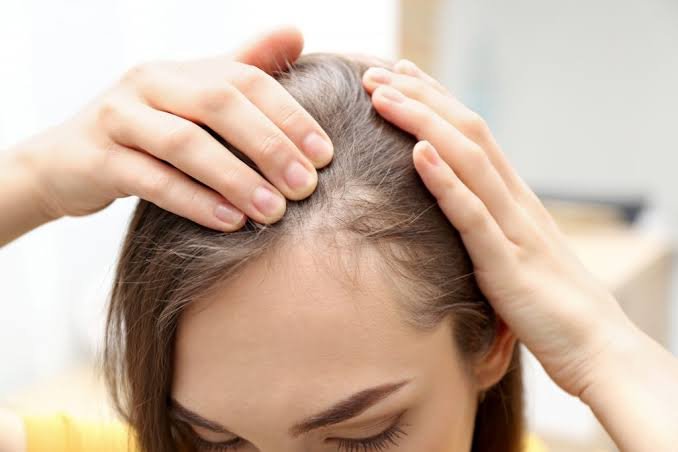
Alopecia areata can appear as smooth, round patches of hair loss on the scalp or other hair-bearing skin. At Prohealth Care Clinic in Chakan, Pune, a clinician may review how the patches started, how they have changed, and what has already been tried. After consultation, a plan can be discussed that fits your medical picture rather than a one-size protocol.
Treatment Type
Medical hair-loss evaluation and clinic-based therapy planning
Consultation
In-person review of scalp pattern, timeline, and general health
Treatment Area
Scalp patches and, when relevant, other hair-bearing sites
Individual Assessment
Focus on activity of patches, nail clues, and prior treatments
Alopecia areata is a condition in which the immune system may target hair follicles, leading to sudden, well-defined patches of hair loss. People often notice a coin-shaped bald area after a haircut, when styling, or when hair collects on a pillow. The surrounding scalp can look smooth rather than scarred. Because several other conditions can mimic this pattern, Alopecia Areata Treatment in Pune is offered only after a clinician has examined the scalp and asked about recent illness, stress, family history, and any associated nail changes.
Care at a skin clinic is not a single product or a promised regrowth timeline. Options that may be discussed include topical or injected anti-inflammatory approaches, supportive scalp care, and, in selected cases, additional medical therapies. Choice depends on how many patches are present, whether eyebrows or beard hair are involved, and whether the process appears active. Blood tests or a biopsy are not always required, yet they can be considered if the picture is atypical.
Living with visible patches can affect confidence at work and in social settings. A consultation can make space for those concerns while remaining medically grounded. Photographs may be taken with consent so that later visits can be compared fairly. You may be asked about thyroid symptoms, atopy, or other autoimmune clues, because those details can influence counselling even when they do not change the first treatment step.
Follow-up is typically used to judge whether patches are expanding, stable, or showing early hair return such as fine, lighter hairs. Plans can be adjusted rather than locked in on day one. No clinic can guarantee that hair will return fully or stay, and that uncertainty is discussed openly so expectations stay realistic. Workplace helmets, school photographs, and family ceremonies in and around Chakan can make even a small patch feel larger than the millimetres on the scalp. You can ask how to style remaining hair, whether a covering is reasonable during an active phase, and how to talk with a school if a young person is being seen. Those practical notes sit beside medical options; they are not a substitute for examination.
These points are educational. They are not a diagnosis. Suitability is decided after consultation.
People who have noticed one or more smooth bald spots appearing over weeks may benefit from an exam to confirm the likely pattern.
Those who have had alopecia areata before and see new areas opening may want a review of current activity and options.
Pitting or ridges on the nails alongside patchy hair loss can be a useful clue during assessment.
If hair loss looks patchy but could also be tinea, traction, or scarring alopecia, a specialist visit can help sort the cause.
Select a step. The sequence is typical; your visit may differ after assessment.
You describe when patches appeared, whether they itch or tingle, and what products or medicines you already use on the scalp.
Points below describe the nature of care. They are not a promise of a particular result.
Assessment can distinguish alopecia areata from infections, traction, and scarring forms that need different care.
Limited patches and widespread involvement are not managed identically; discussion can reflect that difference.
You can ask about prognosis ranges without being given a guaranteed outcome.
Gentle cleansing and avoidance of harsh styling can be discussed alongside medical options.
Consented photos may help you and the clinician see change more clearly than memory alone.
Before the visit, it helps to note when each patch appeared and to bring a list of scalp products and medicines. Avoid applying heavy oils just before the appointment if they would hide the skin. You can write questions about work, sports, or family events so they are not forgotten.
Any hair texture can be affected. Assessment looks at follicle openings and whether the skin is scarred, not at a marketing ‘hair type’ label.
Autoimmune illness, recent infection, and family hair-loss patterns may shape counselling even when they do not bar treatment.
Steroid use, immunosuppressants, and drug allergies are reviewed so any clinic therapy can be chosen more safely.
A single patch, many patches, or near-total hair loss lead to different discussions about intensity and monitoring.
Hair may stay the same, improve gradually, or continue to change even while you are in care. Early fine hair, if it appears, can take time to thicken and may not match the original colour at first.
The number of sessions varies depending on individual factors and the treatment plan. Some people need only counselling and topical care; others may be offered clinic procedures at intervals decided after review.
Relapse can occur in alopecia areata. A realistic plan includes how to get back in touch if new patches appear rather than assuming a one-time fix.
General educational guidance only. Follow the instructions given at your consultation.
Write down prescription drugs, inhalers, and herbal products. This helps the clinician avoid interactions and duplicate steroids.
Use the cleanser and leave-on products discussed in clinic. Do not add extra ‘home steroid’ creams unless they were prescribed.
Visits start with listening and examination so options match your concern, not a preset package.
Plans are discussed after assessment. What is suitable for one person may not be suitable for another.
Hair, skin, aesthetic, laser, nail and diagnostic options are available in one clinic setting.
Care is provided at Prohealth Care Clinic in Chakan, Pune, with follow-up as part of ongoing support.
Available options, typical process and expected care are explained before you decide how to proceed.
People searching for Alopecia Areata Treatment in Pune often want a calm explanation as much as a procedure list. Prohealth Care Clinic in Chakan serves patients from nearby industrial and residential areas who prefer a local Skin Clinic in Pune rather than travelling across the city for a first opinion. A Skin Specialist in Pune can look at the pattern in person, which photographs on a phone cannot fully replace. Returning to the same lighting and hair length makes later comparison fairer than bathroom selfies taken weeks apart.
Choosing a Dermatologist in Pune for patchy hair loss is useful when over-the-counter oils have not helped or when infection has already been ruled out. The visit is structured around examination and history, not around selling a package. You can ask how follow-up is arranged if you work shift hours in the Chakan belt. Patients from Talegaon, Rajgurunagar, and nearby estates can also ask whether a covering is reasonable during an active phase without being told that camouflage is mandatory.
Local access matters when patches change quickly. Being able to return to the same Skin Clinic in Pune for comparison photos can make counselling clearer. If you need a second opinion later, documented notes from a Skin Specialist in Pune are easier to share than a verbal summary. Families sometimes want a guarantee before a ceremony; honest counselling includes the possibility that hair will not cooperate with the calendar, which is still good care.
It is medically guided care for patchy, non-scarring hair loss thought to involve the immune system targeting follicles. Options are selected after examination and may include topical care, clinic procedures, or further tests if the diagnosis is uncertain.
Adults and, in appropriate cases, younger patients with sudden round bald patches, recurring patches, or hair loss plus nail changes may consider a dermatology visit. Suitability is decided in consultation.
The clinician first confirms the likely pattern, then may reduce local inflammation or support the follicle environment. Response differs; the aim is a monitored plan, not a guaranteed regrowth date.
Prohealth Care Clinic in Chakan, Pune, offers consultation for alopecia areata. An in-person exam is typically needed before any procedure is planned.
Treatment cost depends on individual requirements and treatment planning. Contact the clinic for consultation and current pricing.
FAQs
Yes. Patchy hair loss has several causes. A consultation helps decide whether alopecia areata is likely and what should be tried first.
Speak with Prohealth Care Clinic about alopecia areata treatment and other skin, hair or aesthetic concerns. A consultation is the starting point for any plan.
Adityavardhan Heights, Shikrapur Road, Chakan, Pune 410501
Appointments
Request a visit and we will open WhatsApp with your details so the clinic can confirm a slot. Prior appointments are recommended; walk-ins depend on availability.
Clinic
Adityavardhan Heights, Shikrapur Road, Chakan, Pune 410501
Monday to Saturday, 10:00 AM to 8:00 PM
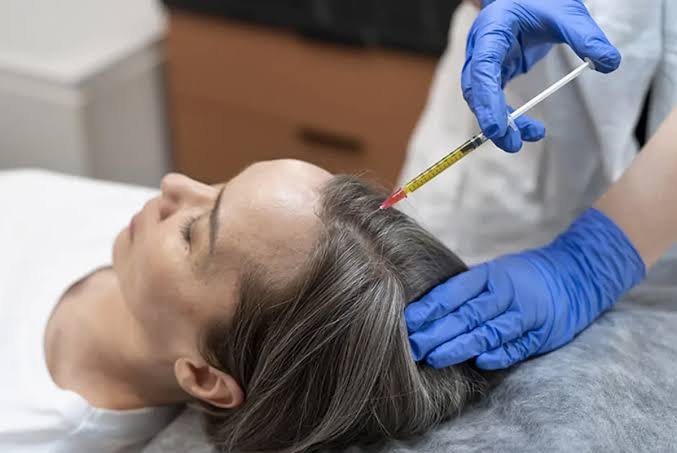
Clinic PRP for selected hair-thinning concerns, considered only after dermatology assessment and consent.
Learn More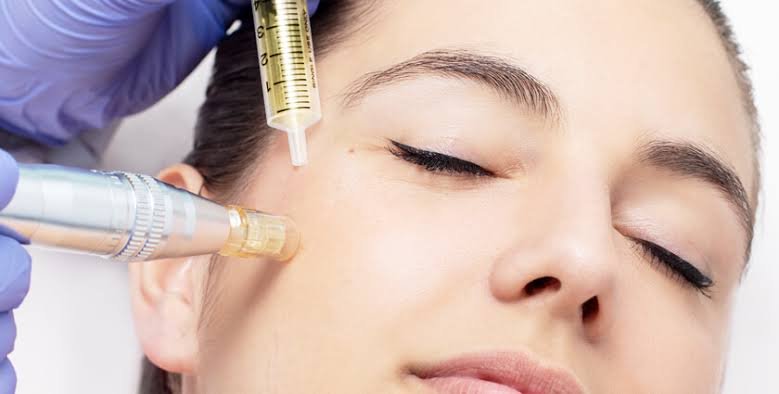
Scalp mesotherapy planned after hair-loss assessment, using clinic-selected ingredients and consent.
Learn More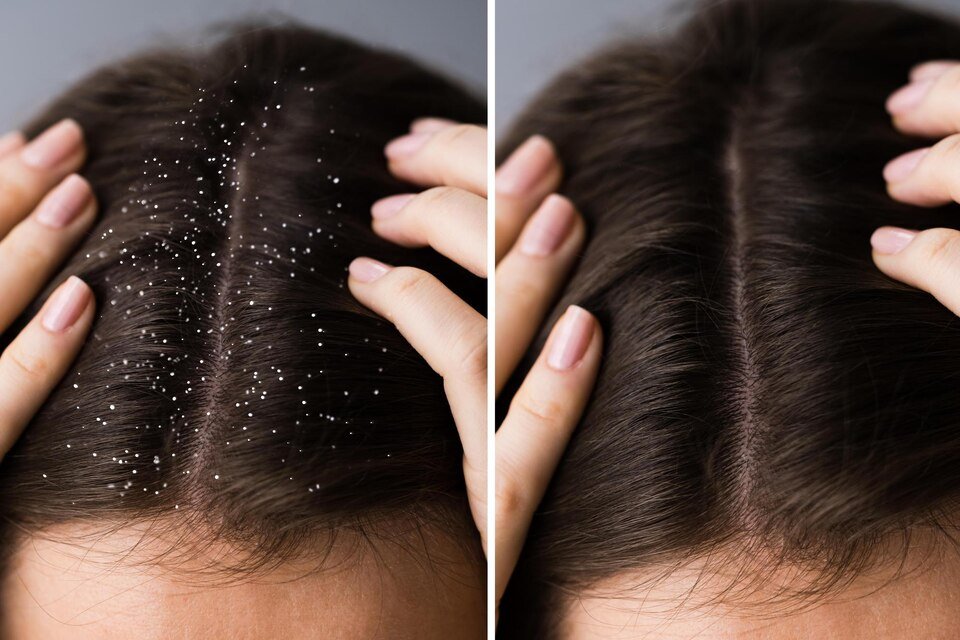
Assessment-led care for scalp flaking and related itch, with products and routines chosen after examination.
Learn More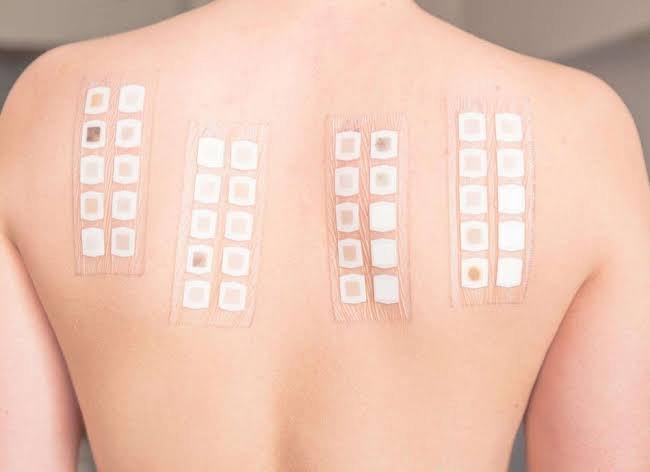
Clinic patch testing for suspected contact allergy, with readings over scheduled visits and counselling on results.
Learn More